
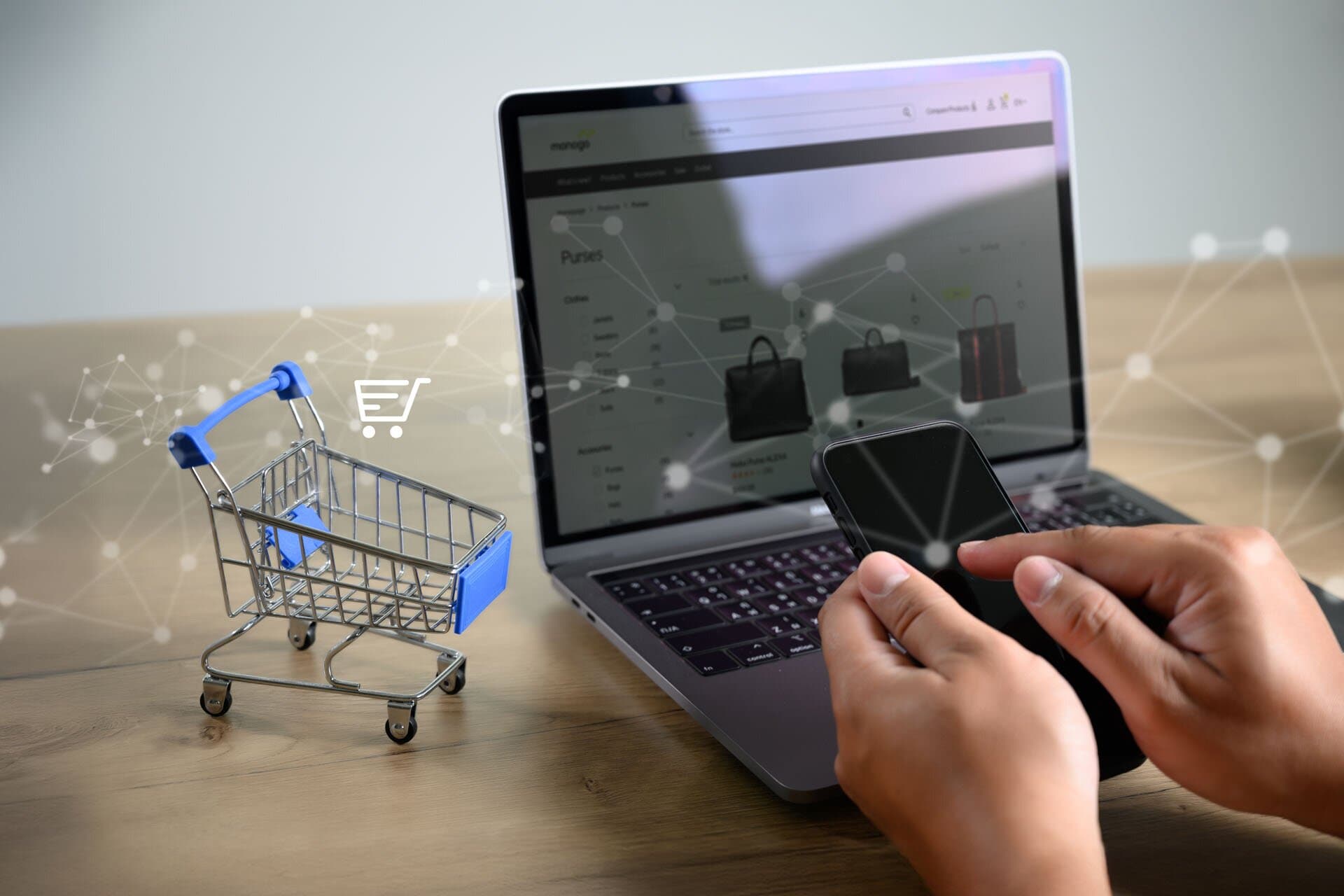
Digitalisation of the retail sector

The digitalisation of retail is not just a trend, but a necessity in today's rapidly changing business environment. The introduction of digital technologies gives retail companies the opportunity to optimise processes, improve the customer experience and increase sales. In this article, you will learn why digitalisation is the key to success and how you can implement these changes in your business.
What is retail digitalisation and why is it important?
Retail digitalisation is the introduction of digital technologies into all aspects of a retail shop's operation, both in-store and online. This includes the use of IT tools for stock management, sales, marketing and customer service. In an era where customers expect a fast and seamless service, digital transformation is becoming a key part of market strategy, helping businesses to better understand customer needs and tailor their offerings.
Key technologies driving digital transformation in retail
Advanced technologies driving digital transformation in retail include:
- ecommerce: Successful ecommerce is a sales channel that is reliably growing year on year.
- Artificial intelligence (AI) and machine learning: Used to analyse large sets of customer data, enabling personalisation of offers.
- Cloud computing: Provides flexibility and scalability to IT infrastructure.
- Mobile and contactless payment systems: Enhance the convenience of both online and offline shopping.
Benefits of digitalisation for stationary shops and e-commerce.
Digitalisation brings a number of benefits such as:
- ** Increased operational efficiency:** Time and resources can be saved by automating processes.
- Improving customer experience: Personalisation and quick access to information increase customer satisfaction.
- ** Access to valuable data:** Allows you to better understand customer behaviour and make data-driven decisions. It is worth noting that in ecommerce we have the ability to collect information about the behaviour of large numbers of customers. This makes the analysis based on a much larger sample and more reliable.
- Competitiveness: Enables faster response to changing market conditions and trends.
- Increased customer loyalty: Better service and personalisation lead to increased customer loyalty.
How to choose the right software for retail?
Choosing the right software is key to successful digitalisation. When choosing, it is worth paying attention to:
- Scalability: The software should grow with your business.
- Integration: It should integrate easily with existing systems.
- Security: Protecting customer data must be a priority.
- Ease of use: An intuitive interface will make it easy for employees to implement.
- Technical support: Access to support in case of problems is a key element.
Many ecommerce systems meet some of the requirements, but literally a few address them all. Such a system includes Magento, which we have been implementing at Monogo for nine years.
Examples of success: Digitisation of retail in practice
Among the pioneers of the digitalisation of retail, we can mention brands such as Amazon, which use advanced analytics and personalisation of offers. Another example is Zara, which uses RFID to manage its inventory, allowing it to respond quickly to changing customer needs.
The future of the retail industry: what will further developments in technology bring?
In the future, we can expect to see even more integration of AI and Machine Learning in retail, enabling even more personalised customer service. Technologies such as blockchain could revolutionise delivery tracking and supply chain management. The rise in popularity of multichannel shopping will require companies to seamlessly integrate all sales channels. The digitalisation of retail is not only about seeking to improve sales, but also about building a more sustainable and responsible business model.
In summary, the digitalisation of retail is inevitable and brings numerous benefits. Preparing for the future by implementing digital tools is the key to success in modern retail.