

Akeneo PIM - here we go

Every web shop system is equipped with tools for adding, editing and deleting products. It is also possible to categorise them and create attributes to define different types of products. So why should you consider using a dedicated Akeneo PIM (Product Information Management) solution?
Well-managed product information is a key component of an effective e-commerce system. Without up-to-date descriptions, categorisation, images or a range of additional attributes, it is difficult to talk about complete product information for the customer. Describing the available range of products in the best possible way can be a decisive advantage in a competitive market
What do we gain?
Among the advantages of the Akeneo PIM system, it is worth mentioning above all:
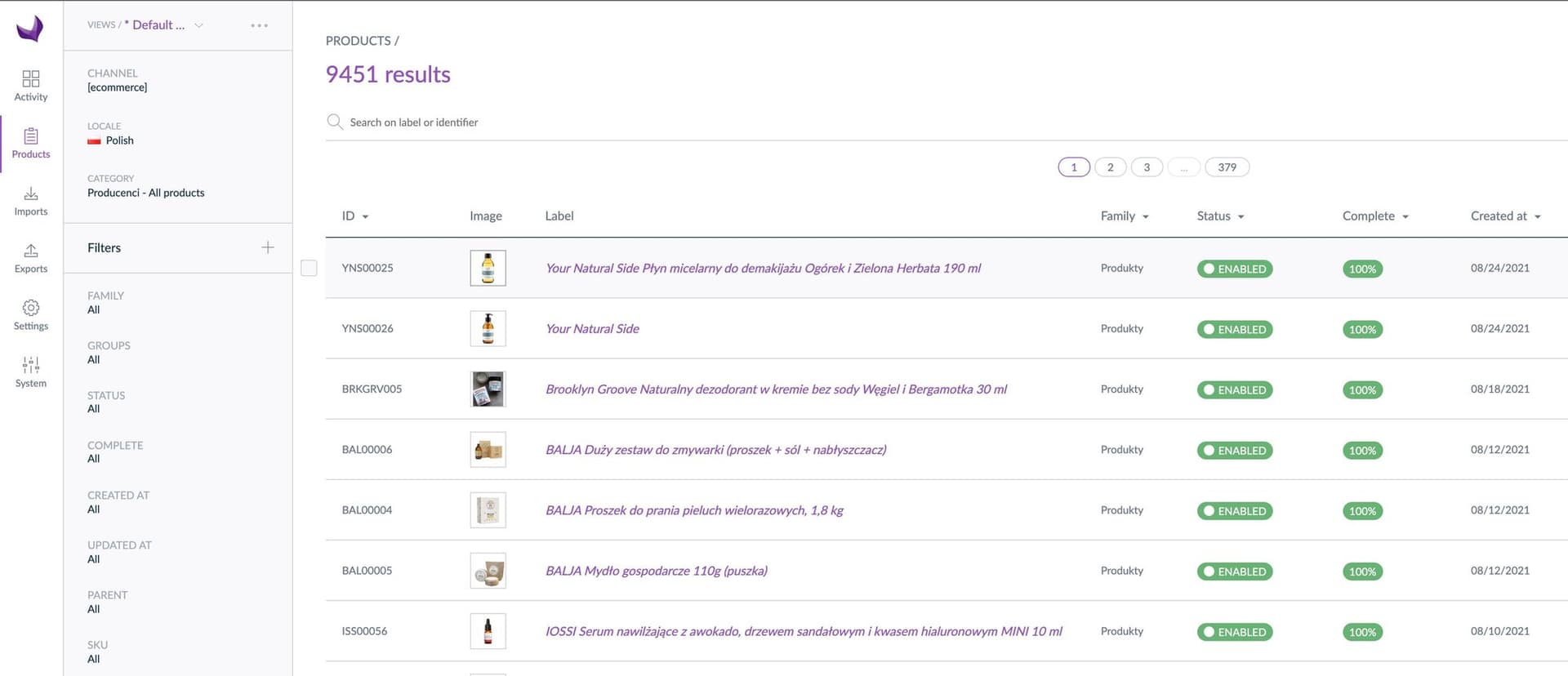
- management of the product range intended for different sales channels from a single location;
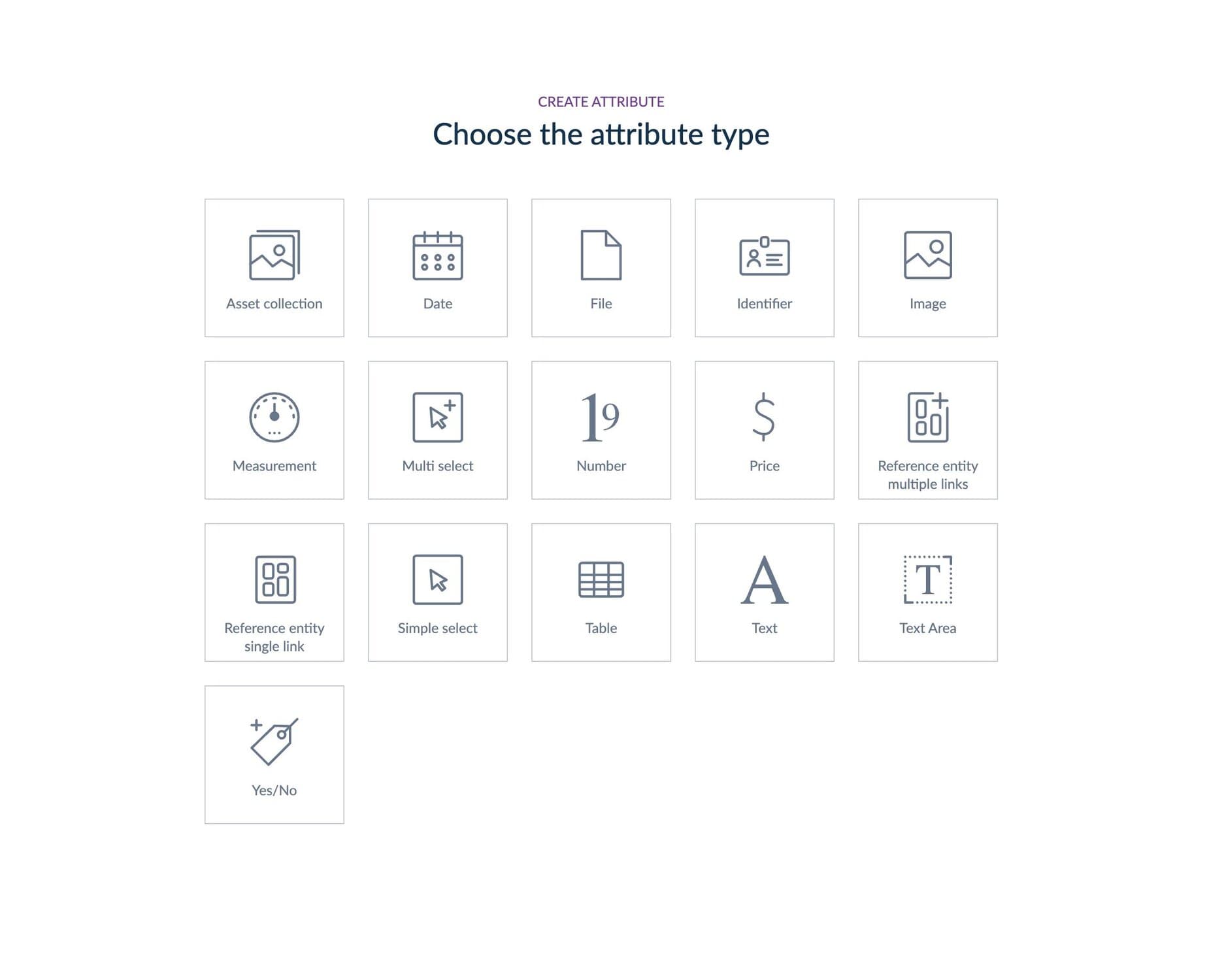
- flexible way of describing products using 23 different types of attributes, attribute groups, families and categories;
- easy creation of versions of product descriptions for different sales channels and in different languages;
- ability to divide work between different people and departments (logistics, marketing) and create product editing tasks for dedicated resources within the company;
- a granular authorisation system allowing the visibility of products and even specific attributes to be restricted;
- flexible definitions of exports and imports using CSV and XLSX format
- greater efficiency - a solution dedicated to product data processing only
- flexible integration with other systems using a powerful API (REST and Event);
- possibility of creating automatic rules - automatic generation of attribute values;
- advanced binary file management system and their automatic assignment to products using rules;
- possibility to define different types of relations between products;
- a system for managing data related to products (Reference Entities) - storing data on manufacturers, product components, size tables
- tools for evaluating the quality of the entered data and its completeness
Implementation model
Depending on our needs, we can opt for one of Akeneo's implementation options: Community , Flexibility and SaaS (Growth or Serenity). The first version is available for free and has limited functionality compared to the paid versions. The Enterprise versions (Flexibility and Serenity) have the broadest functionality, with Serenity available as SaaS and Flexibility as PaaS
This means that, in the case of Serenity, it is Akeneo's responsibility to provide us with a complete working environment with the system, ensuring its stability and updates. The system is closed to any modifications in this case - if we only need the functionality provided by default and want to use the PIM software in its entirety in a service model, this is the optimal solution
More flexibility
However, if our project requires more flexibility and customisation, we can use the (nomen omen ;-) Flexibility version. In this case, it is possible to add your own or external modules to the code and also access the server with Akeneo installed. In this model, it is possible to host the system on the Akeneo side or on your own infrastructure.
The free version, Community, can be installed on your own server and can also be freely modified. Akeneo is written in PHP using the Symfony framework. Developer support will therefore be needed to develop and maintain this version.
Functional differences
Not all of the mentioned capabilities of Akeneo are unfortunately available to the general public of the Community version
The most important difference is the support of advanced permissions at the category level, product channels and also attribute groups. The workflow mechanism for defining the acceptance path for product descriptions is also not available for free. It is useful when we want the work of people responsible for creating product descriptions to be verified. In the Enterprise version, we can also use the product publishing functionality, which "freezes" the product description on a specific version. In the system, we can still continue editing the product description, but in the API we can choose to download only those products that are published.
Another feature available only in the paid versions is a mechanism for flexibly defined exports and, in the near future, also imports. Users of the commercial version also have at their disposal a set of synthetic indicators to assess the quality of product data
Users of the Enterprise version of Akeneo will also benefit from an extensive media management system (Asset Manager) and the ability to create product-related content (Reference Entities). OnBoarded and Syndication tools are also available within the Akeneo ecosystem.
We will describe these and other differences in detail soon in a series of articles on Akeneo PIM that will appear on this blog. In the series of contributions, we will share our experiences from a number of implementations we have carried out of different versions of Akeneo and highlight the best practices from our point of view. We will also highlight the most common problems we encountered and present their solutions - both functional and technical.
In the meantime, if you need support in selecting and implementing a PIM system, please contact Monogo. We will be happy to talk to you about the new challenges of optimising product management and work with you to find the best solutions