
SensAI – a search engine that understands like a human being
AI prompt search: a new way to convert and eliminate shopping frustration. Your customers can search for products just like they would talk to a sales assistant in a store.
Users no longer want to search – they want to be understood
In a world of information overload, aggressive product advertising, limited time and a preference for quick and convenient solutions, customers are becoming extremely demanding. Traditional product search engines are unable to keep up with the way consumers think and search today.
Typos and errors
Products available in the store are not searched for due to minor user errors.
Too slow operation
Traditional search engines are too slow when the user enters more attributes.
Low accuracy
The results do not correspond to the user's real expectations and intentions.
No voice search
Users expect to be able to speak rather than type, especially on mobile devices.
Lack of personalisation
Classic search engines do not take into account user preferences or purchase history
No promotion of products
It is not possible to control the exposure of new products, seasonal products or high-margin products.


SensAI – customer advisor in e-commerce
Monogo has created SensAI, an AI-based search engine that understands natural language and acts as an intelligent advisor. The customer types or says what they need, and the system analyses the context and translates it into specific product suggestions.
Search without names and filters
Just describe your needs: ‘I'm looking for a gift for someone who likes to travel but doesn't want anything expensive. Something practical that will fit in a suitcase.’
Instant action
The results appear in just 50–100 milliseconds. The customer feels like they are having a conversation instead of wondering what keyword to type.
Voice call
The customer can literally talk to the search engine – speak to it and receive answers. This makes them feel as if they are talking to a good salesperson.
What exactly can such a search engine do?
We have gathered in one place what makes SensAI stand out – how it works for the user and how these mechanisms translate into sales results.
Natural language communication
Customers can speak or write in colloquial language, and the system will understand them. The search engine adapts to the user's communication style. The result? More hits and fewer abandoned searches.
Intelligent error correction
You don't lose conversions due to minor user errors. The search engine automatically corrects and understands ‘imperfect’ queries – typos, abbreviations and colloquial names.
Lightning speed
Results in 50–100 ms. The customer receives ready-made suggestions before they have time to think about leaving the shop. Loading time does not hinder conversion.


Advanced voice search
Ready for mobile and for users who prefer speaking to typing. That's one less barrier. A tool tailored to users, not the other way around.
Interactive dialogue
Instead of just results – a conversation. The system guides the user: it asks questions, inquires about preferences, narrows down the selection. You get a customer who knows what they want – and is ready to buy.
Intent recognition
It is not keywords, but the customer's needs that determine what is displayed. This increases the likelihood of a purchase on the first visit.


Smooth continuation
The user can change their mind, ask additional questions, request other variants – without resetting the entire search process.
Multisearch and context
The system analyses multiple product features at once – size, colour, purpose – and can combine them in real time.
Inteligentne promowanie
Możesz wskazać, które produkty mają być promowane – system będzie je proponował jako pierwsze, gdy pasują do kontekstu. Sposób na zwiększenie rotacji nowości lub marżowych SKU.


Zero clicks on filters
The user does not need to know where to look – the system recognises the parameters itself and automatically assigns them to the appropriate filters. Fewer clicks, faster decisions.

How does it work?
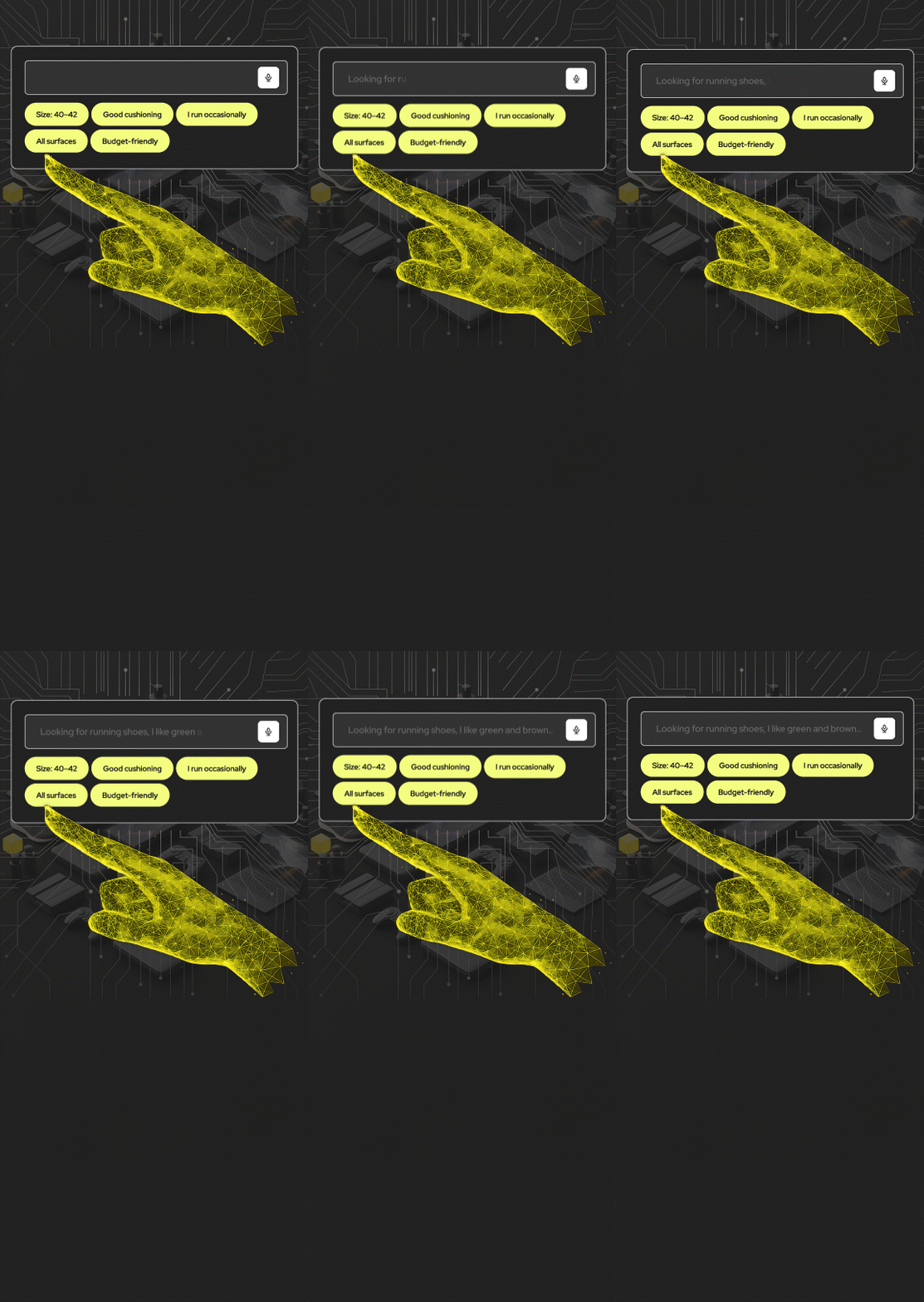
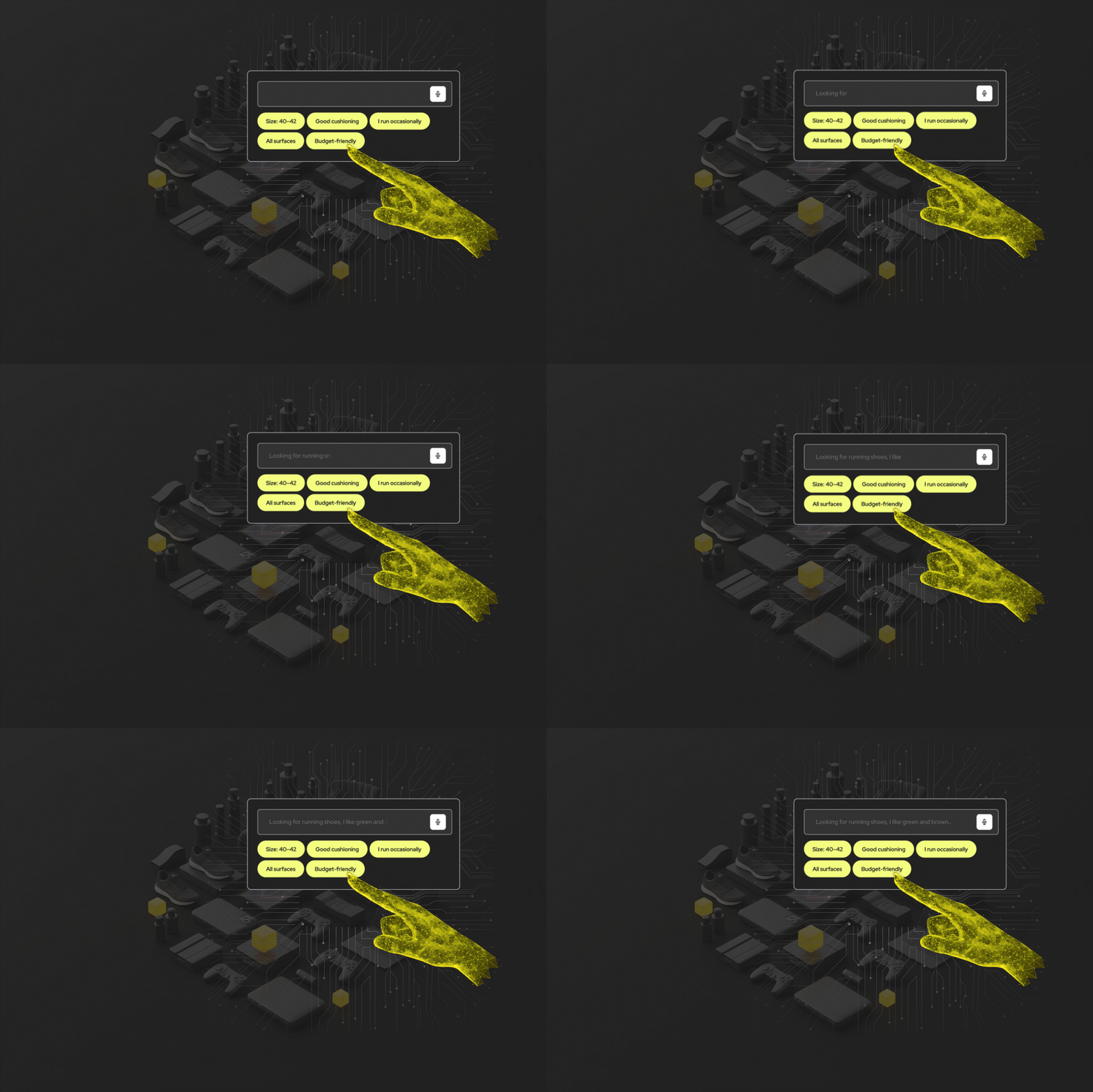
From filters to conversation. Intent-based search is revolutionising the way customers interact with stores.
Why does it work?
Higher conversion rate
More accurate results mean that customers find what they are looking for and do not leave the store without making a purchase.
Faster decisions
No more clicking on filters and tedious searching through categories. Customers can make their purchases faster.

A better experience
No frustration with incorrect results. Higher NPS and greater customer loyalty.
Exposure control
You can decide which products to promote – new, seasonal, high-margin.
Mobile-first
Voice search ideal for mobile devices. Tailored to user requirements.
Easy setup
You don't need an IT team. Configuration in the administration panel.


Technical details and features
Learn more about the capabilities of the AI search engine
When is SensAI most useful?
AI search engines are most beneficial in specific business scenarios and for specific user groups.
Younger target group
Young people have grown up with solutions based on conversations with machines. Not only do they seek them out, they sometimes even expect them to be available.
Mobile users
Voice search is natural for people who mainly use mobile devices. It is the future of e-commerce.
Composite products
The more parameters a product has, the greater the value of AI search. It is particularly effective in fashion, electronics and sports.
Shops with a wide range of products
Thousands of products on offer? AI search helps customers navigate through a huge catalogue without getting lost in categories.
Gift shopping
Customers looking for gifts often do not know the specific names of products. AI understands descriptions such as ‘something for someone who likes to cook’.
Shops with ambitions for growth
If you want to stay ahead of the competition technologically and offer a premium experience, AI search is a strategic advantage.




Check out how Monogo's prompt AI search engine works – and see what a difference it makes when users feel understood from the very first contact.